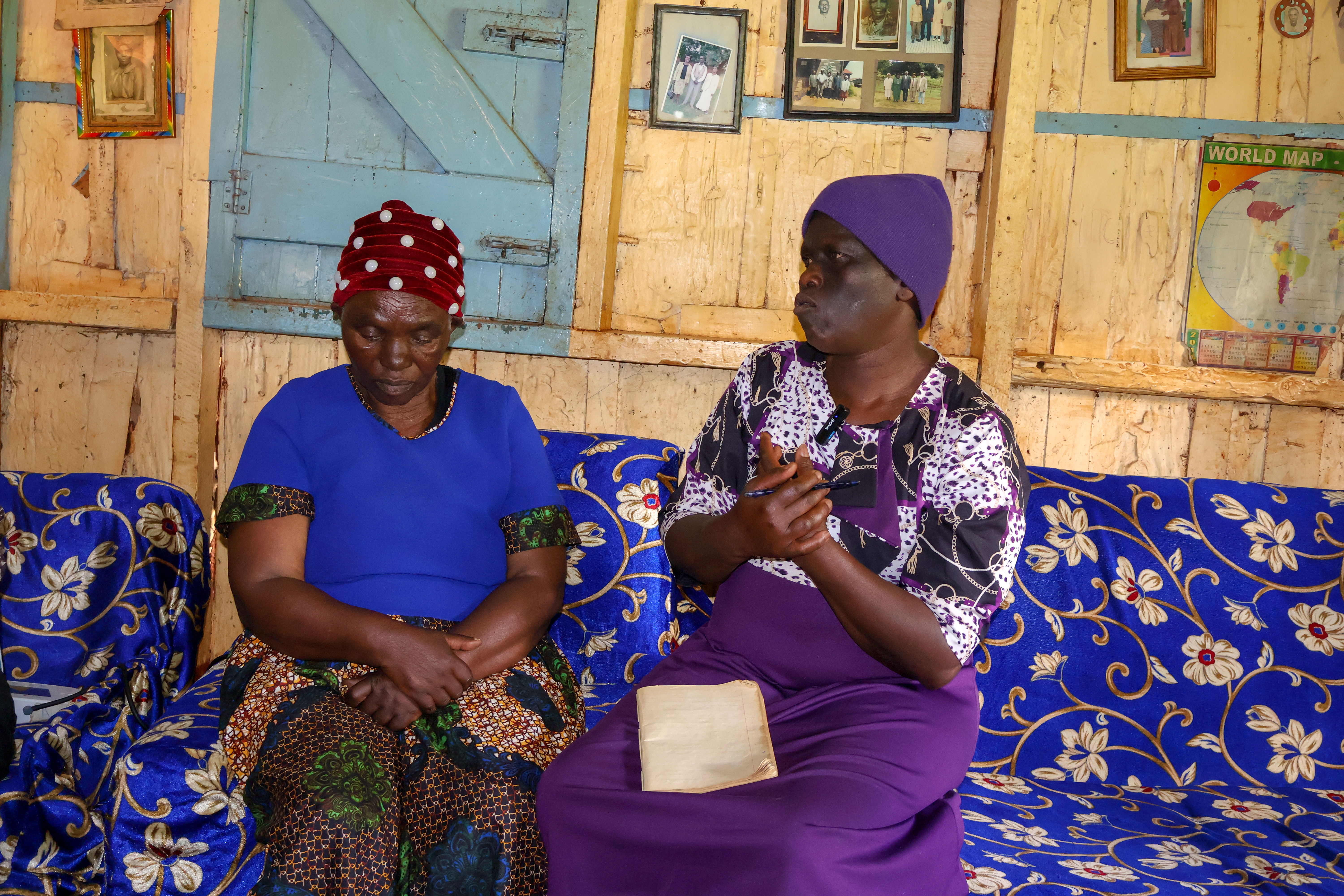
What began as family support quickly became an overwhelming, unpaid full-time role. The daughter was forced to leave her teaching career in order to stay home and care for her mother. In the process, she lost her own income, professional growth, and financial independence. To continue providing care, she became dependent on her siblings for financial support, while also carrying the physical and emotional burden of day-to-day caregiving.
This story reflects a common but often invisible reality in many households: when formal systems of post-diagnosis and long-term family support are weak, caregiving responsibilities fall heavily on women, often at the cost of their livelihoods, wellbeing, and future opportunities. It is not only the patient who becomes vulnerable, but the caregiver as well.
CCFA is designed for exactly these moments, where care shifts into the home and families are left to manage complex needs with little structured guidance. By recognizing caregiver ability, household strain, and continuity risks, the model helps make caregiving safer, more supported, and more sustainable for both the patient and the family.
This story demonstrates that the impact of illness or disability extends far beyond the patient. Dementia did not only affect the mother’s independence, it also disrupted the daughter’s income, career path, emotional wellbeing, and household stability. It highlights how unpaid family caregiving can push women out of the workforce and deepen financial vulnerability when there is no structured support system in place. For CCFA, this reinforces the importance of treating the caregiver as a core beneficiary, not just the patient. By strengthening caregiver skills, identifying household strain early, and providing structured follow-up and support, the model can reduce avoidable care breakdown, improve dignity and safety at home, and protect families from the cascading social and economic consequences of unsupported caregiving.